System-of-record decisions
Use the evidence to set priorities and acceptance criteria before choosing implementation details.
Shopify app integration
Integrate ERP, CRM, search, loyalty, subscriptions, reviews, analytics, and fulfillment around explicit data contracts and failure handling.
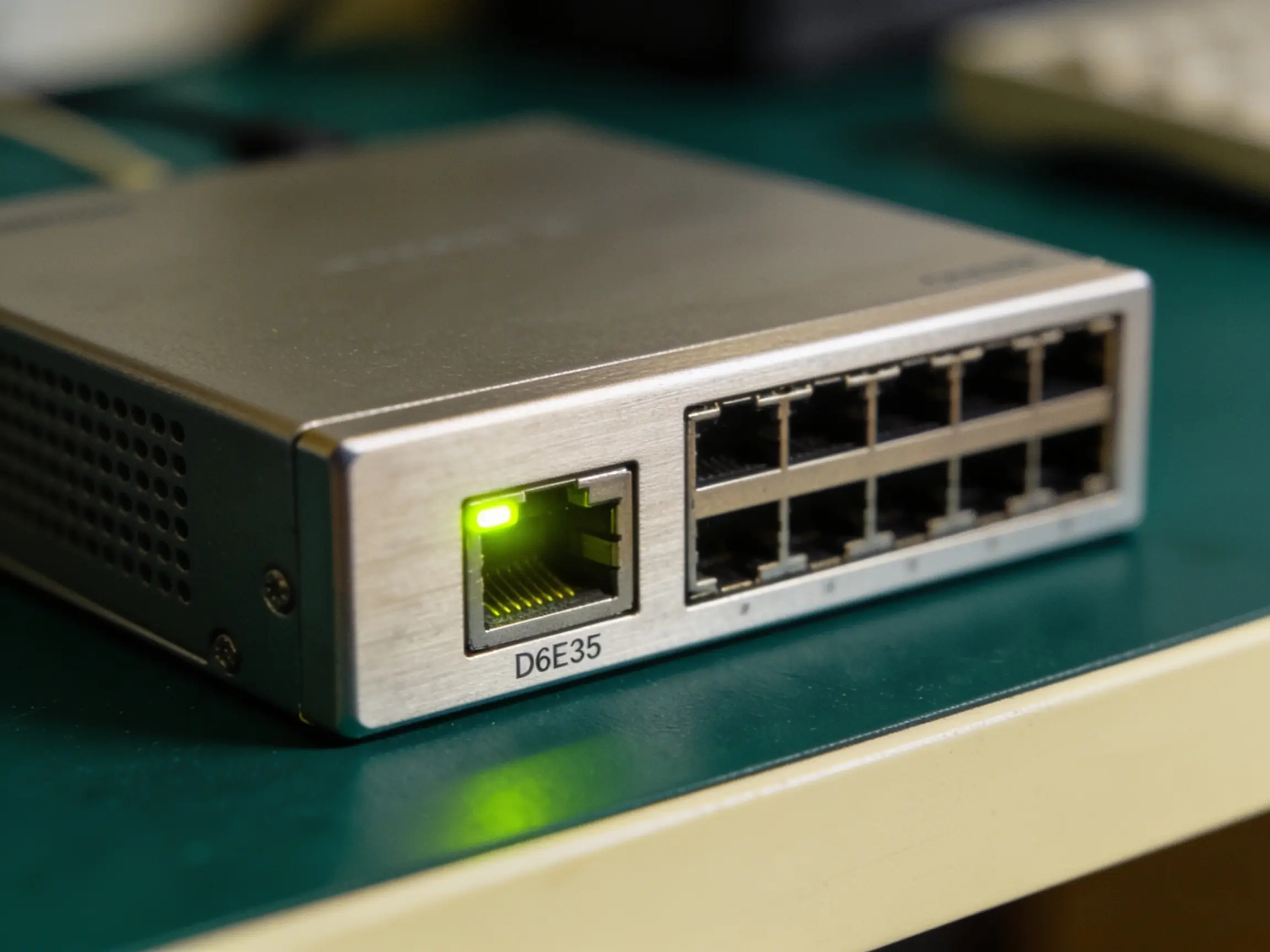
The core decision
We define systems of record, event flows, identity, retries, monitoring, privacy, and operational ownership so teams can understand a failure, recover from it, and avoid an escalation-only process.
Tenten perspective
What creates pressure
Use the evidence to set priorities and acceptance criteria before choosing implementation details.
Translate the finding into a clear operating decision, an owner, and a measurable review point.
Keep the decision visible through design, engineering, launch, and the first optimization cycle.
Decision chapter 01
We define systems of record, event flows, identity, retries, monitoring, privacy, and operational ownership so teams can understand a failure, recover from it, and avoid an escalation-only process.
Use the evidence to set priorities and acceptance criteria before choosing implementation details.
Translate the finding into a clear operating decision, an owner, and a measurable review point.
Keep the decision visible through design, engineering, launch, and the first optimization cycle.
Define the decision, dependencies, and proof required before work moves into production.
Design with real content and operating constraints so the experience can survive launch.
Build explicit system boundaries, release ownership, and maintainable implementation paths.
Validate the result and leave the team with a practical next operating cycle.
| Current model | Target operating model | |
|---|---|---|
| Ownership | Dependencies are spread across vendors and tools. | Owners and system boundaries are explicit. |
| Release flow | Changes wait on fragile or manual coordination. | Teams can preview, validate, and release deliberately. |
| Experience | Platform constraints shape the customer journey. | The journey follows the brand and buying context. |
| Operations | Exceptions become recurring manual work. | Common workflows are designed into the operating model. |
| Change cost | Each change reopens old dependencies. | Reusable foundations lower the cost of the next change. |
Map the business decision, current constraints, dependencies, and acceptance evidence.
Agree on the target journey, system ownership, data boundaries, and implementation scope.
Prototype with real content and validate the highest-risk journeys before full production.
Implement, integrate, and test the system with observable quality gates.
01
Use the evidence to set priorities and acceptance criteria before choosing implementation details.
02
Translate the finding into a clear operating decision, an owner, and a measurable review point.
03
Keep the decision visible through design, engineering, launch, and the first optimization cycle.
04
Use the evidence to set priorities and acceptance criteria before choosing implementation details.
Tenten perspective
We begin with the business decision, current-state constraints, target operating model, and evidence required for acceptance. The scope follows those findings.
Yes. We document system and decision ownership early so internal teams and specialist partners can work without ambiguous handoffs.
We tie scope to the decisions, dependencies, and acceptance evidence agreed at the start, then record changes rather than hiding them inside delivery.
The first operating cycle reviews performance, user behavior, content needs, and unresolved risks so the next iteration starts from evidence.
Related paths
Start with the real constraint
Bring the market, platform, and operating questions. We will help define the evidence, scope, and next step.